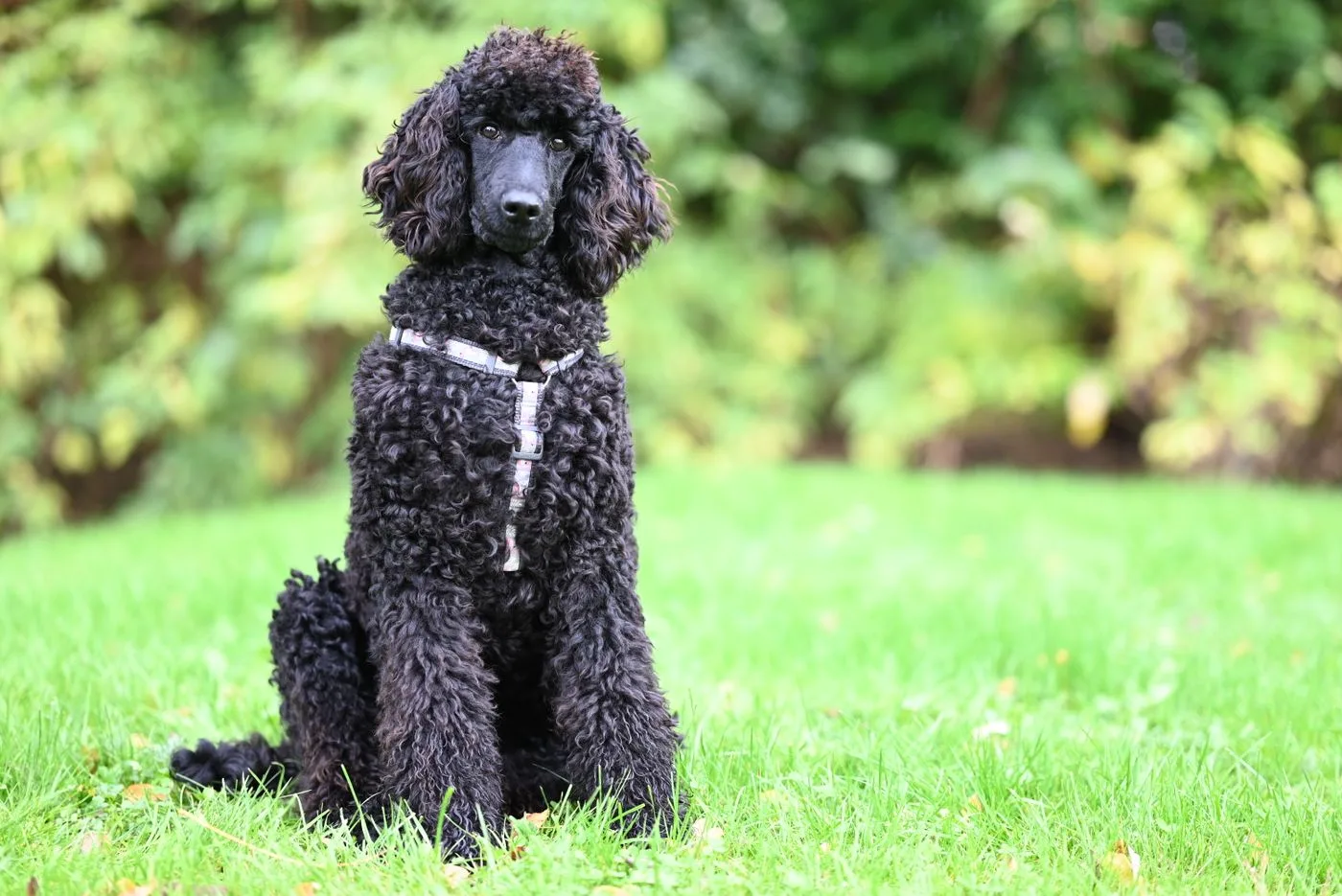
It's easy to underestimate a Poodle. The image most people carry is of a pampered lap dog, clipped into elaborate shapes and paraded through dog shows. But that stereotype hides one of the most intelligent, athletic, and versatile dogs in existence. A Poodle is a working water retriever wrapped in curly hair, a breed that ranks among the brightest in the canine world and brings that brainpower to everything it does — from hunting and water work to circus tricks, obedience trials, and therapy work. The fancy haircut is just a bonus.
The other thing the Poodle has going for it is variety. The breed comes in three recognized sizes — Standard, Miniature, and Toy — which means there's a Poodle for almost every living situation, from a 70-pound athlete to a handbag-sized companion. What doesn't change across the sizes is the temperament: clever, affectionate, energetic, and deeply devoted to its people.
A Working Dog With a Fancy Name
The Poodle's story begins not in a Paris salon but in cold northern waters. The breed's very name gives away its origins: "Poodle" comes from the German word "pudeln," meaning to splash in water. For centuries, larger Poodles worked as water retrievers, swimming out to bring back downed waterfowl for hunters. Germany is widely credited as the breed's birthplace, with France playing a starring role in its later development and refinement — which is why the French still claim it as their national dog.
Those early hunting roots explain the Poodle's famous coat clips. The fluffy pom-poms and shaved patches weren't decoration; they were practical. Hunters shaved the hindquarters and legs so the dogs could swim more freely, while leaving tufts of hair over the joints and vital organs to keep them warm in cold water. The Continental clip still seen in show rings today is a direct, if glammed-up, descendant of that working design.
The smaller Poodles came later, bred down from the Standard for life in cities and, famously, for work in circuses, where their trainability made them crowd favorites. By the 18th and 19th centuries, Poodles were a fashionable sight in Europe's capitals, and they've stayed popular ever since — topping registration charts in the US from the 1960s through the early 1980s.
Three Sizes, One Breed
Every Poodle, whatever its height, shares the same proportions and character. The size differences matter mainly for lifestyle fit.
- Standard Poodle — over 15 inches at the shoulder and typically 45 to 70 pounds. The athlete of the family, strong, agile, and happiest with real exercise and, ideally, a job.
- Miniature Poodle — 10 to 15 inches and roughly 11 to 39 pounds. The middle ground: athletic enough for real activity, small enough for apartment life.
- Toy Poodle — up to 10 inches and about 4 to 10 pounds. A companion first and foremost, though still energetic and clever for its size.
Some registries also recognize a fourth, Medium Poodle, sitting between the Standard and Miniature. Whichever size you choose, you get the same brain, the same coat, and the same affectionate nature — just in a different-sized package.
A Coat That's a Feature, Not Just Looks
The Poodle's coat is unique. It's a single layer of dense, wiry curls that grows continuously, like human hair, rather than shedding seasonally. That's the source of the breed's famous low-allergen reputation: Poodles release far less hair and dander into the environment than most breeds, because the curls trap the loose hair in the coat. This doesn't mean Poodles are truly allergy-free — no breed is — but many people with mild sensitivities manage well with them.
The trade-off is grooming commitment. That gorgeous coat doesn't maintain itself. It must be brushed every few days to prevent mats, and it needs professional clipping every four to eight weeks to stay tidy. The elaborate show clips are optional; most pet Poodles wear a simple, even "sporting" clip that's far easier to care for. Some Poodles can be corded — the hair hanging in long ropes — which is striking but even more demanding.
Living With a Poodle
Life with a Poodle is life with a very smart dog. These are animals that learn faster than almost any other breed, pick up on household routines quickly, and figure out how to get what they want with impressive ingenuity. A bored Poodle will teach itself to open cabinets, rearrange your possessions, or find creative ways to entertain itself — not always to your taste. Mental stimulation isn't optional with this breed; it's a requirement.
That intelligence pairs with a warm, devoted temperament. Poodles bond closely with their people and are happiest when included in family life. They're sociable, generally good with children and other pets, and surprisingly clownish for dogs with such a dignified reputation. They also have a sensitive side: Poodles respond to their owners' moods and do poorly with harsh handling or inconsistency.
Because Poodles are so people-oriented, they don't love being left alone for long stretches. Separation anxiety is a genuine risk, especially in the smaller varieties that have been bred purely as companions.
Energy and Daily Exercise
The Standard Poodle is a genuinely athletic dog that needs a real workout every day — a long walk, a run, swimming, or an energetic game of fetch. Miniatures and Toys need somewhat less, but all Poodles are more energetic than their elegant appearance suggests. An hour of daily activity, split between physical exercise and play, suits the breed well.
| Dog | Daily exercise | Notes |
|---|---|---|
| Puppy | 3–4 short play sessions of 10–15 minutes | Keep walks gentle; avoid hard surfaces while growing |
| Adult | 45–60 minutes total walk or play | Split into two shorter sessions if preferred |
| Senior | 30–40 minutes of gentle walking | Slow the pace and shorten distance with age |
The great news is that Poodles love using their brains as much as their bodies. They excel at obedience, agility, rally, and other canine sports, and they're natural students of tricks. A Poodle that gets both physical exercise and mental challenges is a joy to live with; one that gets neither becomes restless, barky, or destructive. For ideas on structuring healthy activity, the Daily Exercise Guide is a solid resource.
Training a Poodle
If you want a dog that's a pleasure to train, you've found it. Poodles rank second only to the Border Collie in working and obedience intelligence, and they combine that brilliance with a genuine eagerness to please. They learn commands quickly, remember them reliably, and genuinely seem to enjoy the process of training. Many top obedience and agility competitors are Poodles for exactly this reason.
Positive, reward-based methods bring out the breed's best. Poodles are sensitive, so harsh corrections or inconsistent rules undermine their confidence. Keep sessions short, fun, and varied, and lean into the breed's natural talent for learning. Early socialization is just as important — a well-socialized Poodle is confident and friendly; one that's under-socialized can become sharp or timid, which is out of character for the breed. The Dog Training Guide and Puppy Care Guide cover the foundations that apply here.
Grooming a Poodle
Grooming is the Poodle's biggest practical commitment, and it's not optional. The coat mats easily, and once mats form they're painful and require drastic clipping to resolve. Plan on brushing every two to three days — daily for corded coats — and a professional clip every four to eight weeks, depending on the style you keep. The ears, which are floppy, need regular cleaning to prevent infections, and the eyes benefit from routine checks.
| Task | Frequency | Notes |
|---|---|---|
| Brushing | 2–3 times a week | Brush in the direction of the coat and check for tangles |
| Bathing | Every 6–8 weeks or as needed | Use a mild dog shampoo |
| Nail trimming | Every 3–4 weeks | Trim when you hear nails clicking on the floor |
| Ear checks | Weekly | Look for wax, redness, or odor |
| Teeth brushing | 2–3 times a week | Dental chews help as a supplement |
| Separate cords | Every 2–3 months | Prevent matting at the skin |
Because of the coat, professional grooming costs are a genuine part of owning a Poodle. Many owners learn to clip their dogs at home, which is doable with practice and good equipment. Either way, budget both time and money for the coat. The reward is a dog that doesn't shed all over your furniture — a trade many owners find very worthwhile. The Dog Grooming Guide has practical detail on the routine.
Feeding a Poodle
Feed a high-quality food matched to your Poodle's size, age, and activity level. Standard Poodles are athletic and may need more food than their owners expect, while Toys need very little and gain weight easily. Measure meals, split them into regular portions, and keep treats in check — the breed is food-motivated, which is great for training but a risk for the waistline.
| Life stage | Meals per day | Portion per meal (approx.) | Notes |
|---|---|---|---|
| Puppy (under 6 months) | 3–4 meals | 1/2–1 cup | Use a good-quality puppy formula |
| Adult | 2 meals | 1–1.5 cups | Adjust to activity level and body condition |
| Senior (7+ years) | 2 meals | 1–1.25 cups | Consider a senior or joint-support formula |
Some Poodles have food sensitivities or sensitive stomachs, so if you see recurring skin or digestive issues, work with your veterinarian to find the right diet rather than guessing. Fresh water should always be available, and meal portions should be adjusted as activity levels change.
Health and Veterinary Care
Poodles are generally healthy, but like most breeds they have a list of inherited conditions that responsible owners should know about. Two worth singling out are Addison's disease, a hormonal disorder affecting the adrenal glands, and sebaceous adenitis, a skin condition — both occur more often in the breed than average. The breed also has higher-than-average rates of certain eye conditions, hip and joint problems (especially in Standards), and a few neurological conditions.
| Check-up | Frequency | Notes |
|---|---|---|
| Wellness exam | Annual | Includes dental and weight check |
| Vaccinations | Annual booster | Follow your veterinarian's schedule |
| Heartworm prevention | Monthly (or as advised) | Year-round in most regions |
| Dental check | Annual cleaning as recommended | Watch for tartar buildup |
| Eye and ear health checks | Discuss with your vet | Part of the annual vet review |
| Senior wellness checks | Start from age 7 | Early detection of age-related conditions |
Breeders who health-test their dogs — for eyes, hips, and known genetic conditions — are essential, because Poodle genetics have a complicated history. A burst of popularity in the mid-20th century led to heavy use of a small number of bloodlines, which concentrated certain genetic issues. A responsible breeder will be transparent about testing and pedigree. Routine veterinary care, a healthy weight, and prompt attention to anything unusual give a Poodle an excellent chance at a long, healthy life.
Home Environment
The Poodle adapts to almost any home. Standards need space and real exercise, so they suit houses with yards or very active owners. Miniatures and Toys are excellent apartment dogs, fitting into small spaces with ease. What all sizes need is companionship — this is not a breed that thrives on long hours alone.
Around children, Poodles are generally wonderful: playful, patient, and responsive. They're also usually good with other dogs and pets. The one caution is size: a Toy Poodle is fragile, so young children must learn to handle it gently, and a large, boisterous child's play can accidentally injure it. For owners weighing their options, the Choosing the Right Pet guide is a helpful comparison tool.
Weather Considerations
Poodles are surprisingly weather-hardy. The dense, curly coat was designed for cold water, so Standards especially tolerate cold and damp well. In hot weather, though, the heavy coat can be too much — keep summer exercise to cooler hours, provide shade and water, and consider a shorter clip for the warm season.
The low-shedding coat also means the breed leaves less hair around the house in every season, which is a genuine advantage for allergy-prone households. Rain and mud cling to the curls, so expect a bit more cleaning after messy walks — a quick towel-down or a wash-and-dry for the legs goes a long way.
Common Ownership Challenges
The Poodle's challenges are mostly the flip side of its virtues. The coat demands constant attention and a grooming budget. The intelligence means the dog needs real mental stimulation every day, or it will find its own — often unwelcome — ways to amuse itself. The sensitivity means this is not a breed for heavy-handed owners. And the strong bond with people means long absences can be a problem.
None of these are difficult for a committed owner. A Poodle that's exercised, trained, groomed, and kept close to its family is a delightful companion. It's simply a breed that asks for involvement rather than letting you coast.
Advantages and Disadvantages
Advantages
- Exceptionally intelligent and highly trainable
- Affectionate, devoted, and great with families
- Low-shedding coat that's easier on allergy sufferers
- Available in three sizes to suit different lifestyles
- Athletic and versatile — excels at sports and activities
Disadvantages
- High grooming commitment and professional grooming costs
- Needs substantial mental stimulation to prevent boredom
- Sensitive — responds poorly to harsh handling
- Can develop separation anxiety when left alone
- Standards need real daily exercise
Frequently Asked Questions
Are Poodles hypoallergenic? No dog is truly hypoallergenic, but Poodles shed very little and release less dander into the air, which makes them a better choice than most breeds for people with mild allergies.
How much grooming does a Poodle need? A lot. Brushing every few days and professional clipping every four to eight weeks is the baseline. The coat mats easily and won't maintain itself.
Are Poodles good family dogs? Yes. They're affectionate, playful, patient with children, and good with other pets. They bond closely with their families and thrive on involvement.
How intelligent are Poodles? They're widely ranked the second-most-intelligent breed, behind the Border Collie. They learn quickly, excel in training and dog sports, and need mental stimulation to stay happy.
Do Poodles bark a lot? They can, especially when bored or anxious. A well-exercised, well-stimulated Poodle is usually fairly quiet, though they're alert and will sound an alarm.
How long do Poodles live? Most live 10 to 18 years, with smaller varieties generally living longer than Standards. The breed is among the longer-lived of the popular breeds.
Which Poodle size is best for an apartment? Miniature and Toy Poodles adapt best to apartment life, since they need less space and exercise. Standards need a yard or a very active owner.
Are Poodles easy to train? Remarkably so. They're eager to please, quick to learn, and genuinely enjoy training. They respond best to positive, reward-based methods.
Do Poodles need a lot of exercise? Standards need a solid daily workout — an hour or more. Miniatures and Toys need somewhat less, but all Poodles are more active than their looks suggest.
Are Poodles good with kids? Generally yes — they're playful and patient. With Toy Poodles, supervision is important because the dog is fragile and small.
Why do Poodles have fancy haircuts? The classic clips descend from practical working trims that let the dogs swim more easily while keeping their joints and organs covered and warm.
What health problems do Poodles have? The breed is prone to certain inherited conditions, including Addison's disease, sebaceous adenitis, some eye disorders, and hip and joint problems in Standards. Health-tested breeding helps.