Feeding a cat sounds simple — put food in bowl, cat eats — but the details matter more than you'd think. Cats are obligate carnivores with a real talent for overeating, and obesity is one of the most common health problems vets see in cats. Getting portions, schedule and food type right is one of the most important things you can do for your cat's long-term health.
This guide covers how much to feed, how often, and the common feeding mistakes that quietly cause problems.
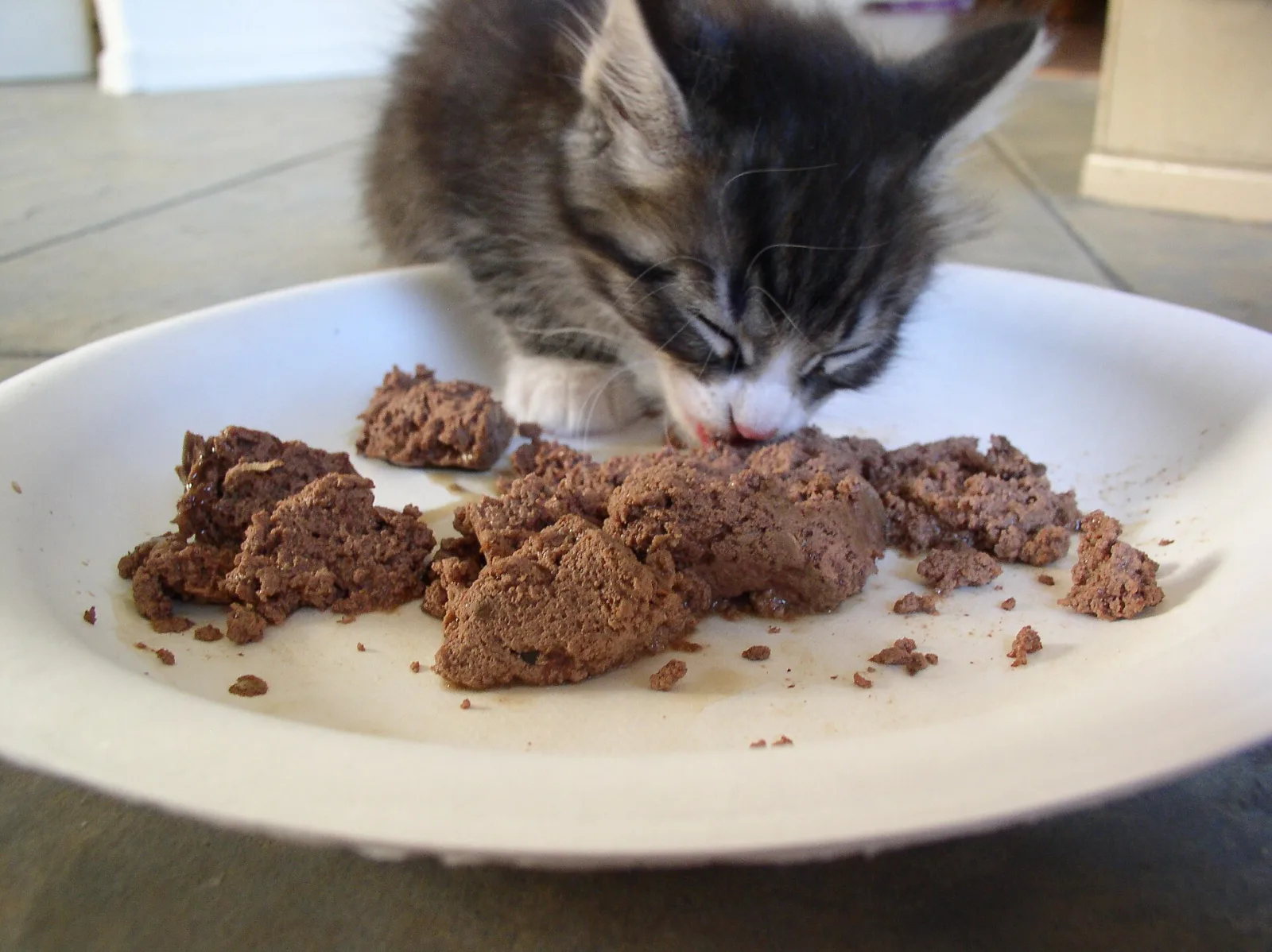
How much should I feed my cat?
There's no single number that fits every cat. The feeding chart on the food bag is a starting point based on an "average" cat — not necessarily yours. What matters is calories, and what your cat actually needs depends on:
- Age — kittens need far more per pound of body weight than adults.
- Weight and body condition — can you feel your cat's ribs with light pressure, or are they hidden under a layer of fat?
- Activity level — an indoor sofa cat burns a fraction of an outdoor cat's calories.
- Neutering — neutered cats typically need around 25% fewer calories.
A quick rule of thumb for a typical adult indoor cat is roughly 200–300 calories a day, but the right number varies widely. The most reliable approach: measure portions, weigh your cat regularly, and adjust. If ribs are hard to feel, cut portions back a little. If they're prominent and the waist is pinched, feed a little more.
How often should I feed my cat?
Most adult cats do best on two measured meals a day. Their stomachs empty within a few hours, and after about 8–10 hours an empty stomach signals hunger — which is why cats start nagging you before dinner time.
| Cat | Recommended schedule |
|---|---|
| Kittens (up to 6 months) | 3 meals a day |
| Kittens (6–12 months) | 2 meals a day |
| Adult cats | 2 meals a day |
| Senior cats (10+ years) | Same as adult, unless your vet advises otherwise |
Some cats genuinely prefer grazing — a dozen tiny meals through the day. That can work, but only if you measure the whole day's portion in the morning and don't top up. Free-feeding a full bowl of dry food is how most cats become overweight without anyone noticing.
Wet food, dry food, or both?
Both can be part of a healthy diet — the important thing is that the food carries a complete and balanced statement (an AAFCO nutritional adequacy statement) and that you feed the right amount.
The big difference is water. Wet food is about 70–80% water, while dry food is only 6–10%. Cats have a low thirst drive and are prone to kidney and urinary issues, which is a strong reason many vets recommend at least some wet food. If your cat eats only dry food, hydration becomes even more important.
If you mix wet and dry, work out the calories of each and feed a measured total — don't give "a can plus a full bowl of kibble" and assume it's fine.
Water: the most underrated part of feeding
Dehydration is a silent problem in cats. Encourage drinking with:
- Fresh water changed daily, in clean bowls.
- Multiple water bowls in different rooms.
- A water fountain if your cat likes moving water — many cats drink far more from one.
- Wet food, which supplies water with every meal.
Don't rely on a single bowl that only gets refilled when empty. A cat that suddenly starts drinking much more or much less than usual should see a vet — both can be early signs of illness.
Treats: the 10% rule
Treats should be a small part of daily calories — generally no more than 10% of your cat's total intake. It's easy to unbalance a good diet with a handful of treats on top of full meals, especially with calorie-dense treats. And treat them as what they are: occasional extras, not a meal substitute.
Some human foods are genuinely toxic to cats and should never be given, including onions, garlic, grapes and raisins, chocolate, and xylitol (in many sugar-free products). When in doubt, leave it out.
Common feeding mistakes
- Free-feeding a full bowl. The fastest route to an overweight cat.
- Eye-balling portions. Use a measuring cup or kitchen scale, not a guess.
- Feeding "kitten formula" forever. Adult cats need adult maintenance food.
- Ignoring weight changes. Weigh your cat monthly; gradual change is easy to miss.
- Sudden food switches. Transition over 7–10 days by gradually mixing to avoid stomach upset.
- Letting the bowl sit. Wet food left out spoils — remove uneaten wet food within 20–30 minutes, and refresh dry food daily.
The best feeding plan is the one you can measure, keep consistent, and adjust as your cat's life changes. A regular weighing habit is worth more than any fancy food.
Looking for more cat care essentials? Explore our nutrition and feeding guides, or find a name that suits your cat with our cat name ideas.
Frequently asked questions
How many times a day should I feed my cat?
Two measured meals a day suits most adult cats. Kittens under six months do better with three. If you prefer to graze-feed, measure the full day's portion once and don't top up.
How much food does a cat need per day?
A typical adult indoor cat needs roughly 200–300 calories a day, which translates to about 1/3 to 1/2 cup of dry food, or one 3-oz can of wet food plus a smaller dry portion. Check the food's feeding chart and adjust to your cat's weight and activity.
Is dry food or wet food better for cats?
Both can be healthy. Wet food has much more water, which helps prevent kidney and urinary issues. Many vets recommend at least some wet food, but the most important factors are that the food is complete and balanced and that portions are controlled.
Should I leave food out for my cat all day?
Free-feeding can work for cats that self-regulate, but it causes overeating in many cats. If you graze-feed, measure the day's portion in the morning and only feed fresh dry food. Wet food should never be left out for long — it spoils.
How do I know if my cat is overweight?
You should be able to feel your cat's ribs with light pressure but not see them clearly. If you can't feel the ribs at all, or there's a noticeable belly pad and no waist when viewed from above, your cat is likely carrying excess weight — talk to your vet about a plan.