Dogs and cats are experts at hiding pain — it's an instinct that kept their ancestors alive. By the time they look visibly unwell, the problem is often well advanced. A regular nose-to-tail check at home catches small changes early, when they're easier (and cheaper) to treat.
A home check takes about five minutes and is no substitute for a veterinary exam. But it builds a baseline of what's normal for your pet, so you'll notice what's not. Do it once or twice a week, in a calm moment, with treats and praise on hand so it stays a positive experience.
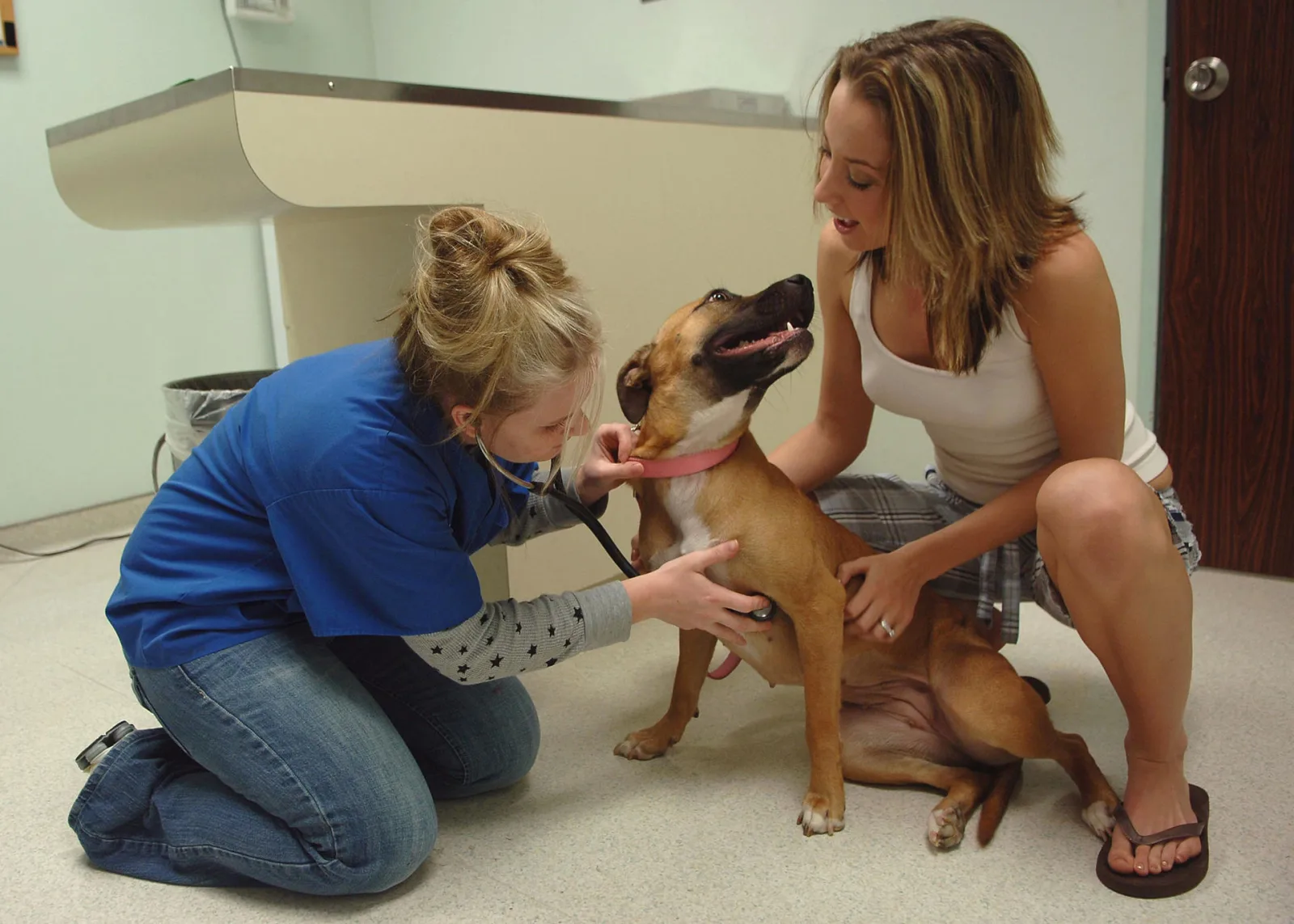
Start at the nose and eyes
Work nose to tail so nothing gets skipped.
- Nose. For dogs and cats it should be moist and soft, and free of discharge. A dry nose on its own is not a problem, but cracked skin, thick snot, or congested breathing is worth a call to the vet.
- Eyes. They should look bright and clear, with no redness, cloudiness, heavy tearing, or crust. The fleshy lining around the eyeball should be a soft salmon pink. Squinting, a third eyelid showing, or one eye looking different from the other all warrant a vet visit.
Ears: look and smell
Healthy ears are pink on the inside, clean, and odour-free. Part the fur and check the ear flap and opening. Redness, a waxy or dark build-up (coffee-grounds-looking debris can mean ear mites), a bad smell, or your pet constantly shaking their head or scratching at an ear — all point to an ear problem that needs treatment.
Mouth, teeth and gums
Dental disease is the most common health problem in pets, and it doesn't stay in the mouth — it can affect the heart, kidneys and joints. If your pet tolerates it, lift the lip and check:
- Teeth should look clean-ish, with no obvious cracks, loose teeth or dark tartar build-up.
- Gums should be a fleshy pink and moist (some breeds have naturally dark-pigmented gums — know what's normal for yours).
- Pale or very white gums can be a sign of a serious problem — call your vet straight away.
- Bad breath that makes you recoil is a red flag, not normal pet breath.
Coat, skin and a good scratch-check
Run your hands through the coat and part the fur in a few places.
- Healthy skin is clean, free of dandruff, and doesn't smell.
- Look for fleas, flea dirt (small black specks), ticks and bald patches.
- Feel for lumps, bumps, scabs and sore spots. Older pets commonly develop harmless fatty lumps, but any new or growing lump deserves a vet's opinion.
- A suddenly dull, greasy or matted coat can signal an internal problem — cats that stop grooming are often unwell.
If your pet is uncomfortable being handled, skip the deep checks and simply observe. A relaxed, cooperative pet gets a better exam — and yours will cooperate far more if the session always ends with treats.
Legs, paws and nails
Watch your pet move — how they stand, walk and lie down. Limping, stiffness, or struggling to get up after rest can mean joint pain, which dogs in particular hide very well. Check paw pads for cracks or wounds, and nails for length (if they click on the floor, they're too long).
Mobility and the tail end
Check that the tail moves normally and is clean underneath. Scooting across the floor usually means anal glands or another irritation worth mentioning. For rabbits especially, keep the rear clean — matted fur back there is a genuine health risk (flystrike).
Vital signs worth knowing
You don't need to measure vitals every week, but knowing the ranges helps you interpret changes:
| Vital sign | Dog | Cat |
|---|---|---|
| Resting heart rate | 60–140 beats/min | 140–220 beats/min |
| Resting breathing rate | 10–35 breaths/min | 20–30 breaths/min |
| Temperature | 100–102.5°F | 100–102.5°F |
| Gum colour | Pink, moist | Pink, moist |
To check heart rate, place your fingers behind the left elbow on the chest wall, count beats for 15 seconds and multiply by four. For breathing, watch the chest move and count for 30 seconds, then double it. Capillary refill is also handy: press a finger on a pink area of gum, release, and pink colour should return within about two seconds.
Watch behaviour, appetite and bathroom habits
The earliest signs of illness are often behavioural. A sudden change in appetite, thirst, energy, or how often they pee and poop is frequently the first clue. Watch for:
- Drinking far more or far less than usual (a classic sign of several conditions).
- Eating less, dropping food, or turning away from being touched around the mouth.
- Vomiting, diarrhoea, constipation, or straining to pee — an inability to urinate is an emergency.
- Sleeping more than normal, hiding, or being unusually clingy or grumpy.
- Rapid or open-mouth breathing when they haven't been exercising.
When to call the vet
Trust your gut. If something feels off — even if you can't name it — a quick call to your vet costs nothing and can prevent a bigger problem. In particular, seek urgent care for: difficulty breathing, seizures, suspected poisoning, bloat (a swollen belly with unsuccessful retching, especially in large-breed dogs), pale gums, or a pet who suddenly can't stand.
When you do call, a short video of the symptom, photos of anything unusual, and notes on when it started will help your vet enormously.
A healthy pet starts with a good name — explore our pet name ideas, or keep reading our health and wellness guides.
Frequently asked questions
How often should I check my pet at home?
Once or twice a week is a good habit for a nose-to-tail check. Alongside that, make a habit of daily observation — you'll notice changes in appetite, energy and behaviour before they become obvious problems.
What are the first signs of a sick dog or cat?
Usually a change in normal behaviour: drinking more or less, eating less, sleeping more, hiding, vomiting, diarrhoea, or a sudden change in energy. Lethargy combined with any of these is the most common early signal.
What colour should my pet's gums be?
Healthy gums are a fleshy, salmon-pink and moist. Pale, white, blue or bright red gums are serious signs that need immediate veterinary attention. Note that some breeds (like Chow Chows) naturally have dark-pigmented gums.
Can I take my pet's temperature at home?
Yes, with a digital rectal thermometer and personal lubricant, but few pets tolerate it. Normal is about 100–102.5°F. If your pet won't let you, don't force it — feeling the ears and paw pads gives a rough sense of whether they feel unusually warm or cold.
How do I check my pet's heart rate?
Place two fingers behind the left elbow on the chest wall, count beats for 15 seconds and multiply by four. Normal resting rates: dogs 60–140, cats 140–220 beats per minute. If you're unsure what's normal for your pet, ask your vet at the next check-up.