Done right, a crate becomes your dog's favourite room in the house — a quiet den they choose on their own. Done wrong, it's a cage that causes stress and howling. The difference comes down to how you introduce it, and how long you leave your dog inside.
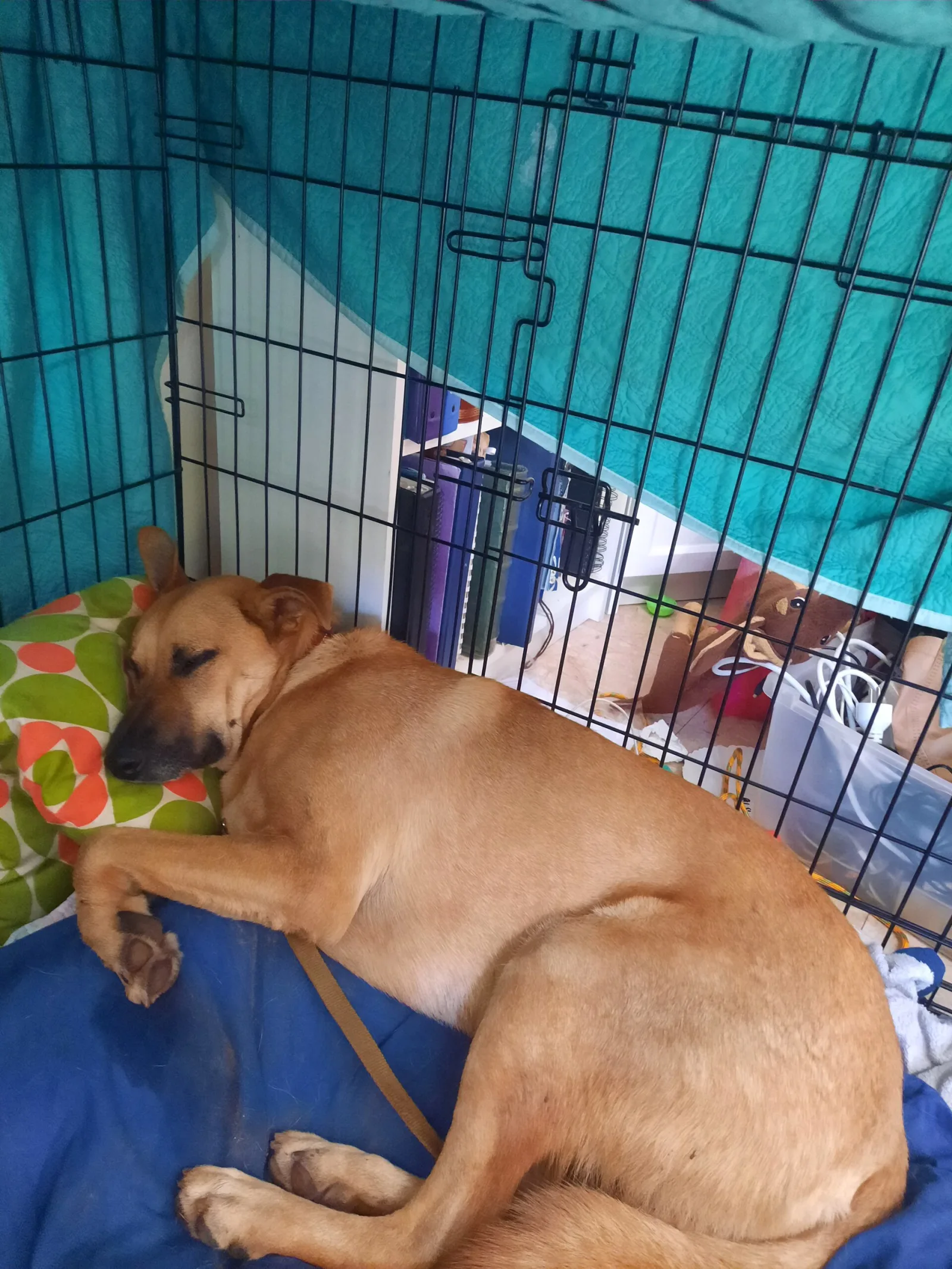
Choose the right size and spot
The crate should be large enough for your dog to stand, turn around and lie down comfortably — no bigger. If the space is too large, dogs (especially puppies) will treat one corner as a toilet. For a puppy growing into an adult, use a divider to block off the extra space and move it back as they grow.
Place the crate somewhere the family spends time, not in a lonely corner. Crating is about calm, not isolation. A soft bed or towel inside and the door secured open complete the setup.
Step 1: Make it a place they choose to enter
Don't push your dog inside or shut the door on day one. Instead:
- Drop treats around the crate, then just inside the door, then all the way in. Let your dog discover them at their own pace.
- Feed meals near the crate, then gradually move the bowl further inside each day.
- Once they walk in comfortably, close the door for a few seconds while they eat, and open it again as soon as they finish.
- Repeat throughout the day with favourite toys and treats. Never close the door on a reluctant dog — that teaches them the crate traps them.
Step 2: Build up time gradually
Once your dog enters voluntarily and settles, start closing the door for short periods while you stay nearby. Sit quietly for five minutes, then leave the room for a few minutes, then return and release them. Each session extend the time a little. Once they can stay quiet for about 30 minutes with you out of sight, you can start leaving them crated while you're out — for short periods.
How long can a dog stay in a crate?
This is where most owners get it wrong. Crate time limits depend heavily on age:
| Age | Reasonable crate time |
|---|---|
| 9–10 weeks | 30–60 minutes |
| 11–14 weeks | 1–3 hours |
| 15–16 weeks | 3–4 hours |
| 17+ weeks | 4–6 hours |
| Adult dog | Max 4–5 hours at a stretch; not all day + all night |
A common rule of thumb: one hour of crate time per month of age, and never exceed four to five hours for an adult. If you're at work all day, arrange a midday visit or a dog walker. A dog forced to soil their crate because they were left too long becomes much harder to house train, and the crate turns into a source of stress instead of safety.
Handle whining the right way
If your dog whines in the crate, the first check is always the obvious one: do they need to go out? For a puppy, the answer is often yes. After that, resist the urge to open the door instantly. If you let a whining dog out, they learn that crying is the way out — and they'll do it louder and longer next time. Wait for a quiet pause, even a few seconds, then open the door. You're rewarding calm, not noise.
That said, don't let genuine distress drag on. A dog panicking, drooling heavily or trying to chew their way out isn't being stubborn — you've moved too fast. Shorten the sessions and go back a step.
Make departures and arrivals boring
Dogs pick up on emotional goodbyes. Crate your dog five to twenty minutes before you leave, with a chew or puzzle toy, and leave without drama. When you return, stay low-key for a few minutes before letting them out. The crate becomes boring-neutral — not a signal that you're abandoning them.
The crate is a tool, not a solution. It works best as one calm part of a routine that also includes exercise, training and company — never as a long-term babysitter.
Common mistakes to avoid
- Using the crate as punishment — your dog will never settle in a place they fear.
- Rushing the introduction — this takes days or even weeks, not one afternoon.
- Leaving puppies in too long — their bladders simply can't hold it.
- Letting a whining dog out instantly — rewards the noise.
- Confining a dog all day and all night — that's too much small space for any dog.
Getting the foundations of care right early makes everything easier. Explore our training and behaviour guides, or find the perfect name for your companion with our dog name ideas.
Frequently asked questions
How long does crate training take?
It can take a few days or several weeks, depending on your dog's age, temperament and past experiences. What matters is going slowly — each step only when your dog is comfortable with the last.
Can I leave my dog in a crate while I'm at work?
Only for a few hours at a time, and never all day. Puppies need toilet breaks every few hours, and even adults shouldn't be confined longer than four to five hours. Arrange a midday visit, a dog walker, or use a pen or a puppy-proofed room instead.
Should I put my dog's crate in my bedroom at night?
For a puppy, yes — keeping the crate nearby for the first weeks helps them feel secure and lets you hear when they need a toilet break. Once they sleep through the night, you can gradually move the crate where you prefer.
What do I do if my dog refuses to enter the crate?
Go back to basics: make the crate genuinely rewarding before asking for anything. Feed meals inside it, toss high-value treats in, and never force or drag them in. Some dogs take weeks to trust a crate — that's normal.
Is crate training cruel?
Not when done properly. Used positively, a crate gives dogs a safe den of their own. It becomes cruel when dogs are left inside too long, or when the crate is used as punishment. Short, positive sessions that respect your dog's needs are the key.